Back & Neck Pain
Back & Neck Pain Physiotherapy in Mira Road: A Practical Recovery Guide
Dr. Ruman MallickJuly 10, 20267 min read
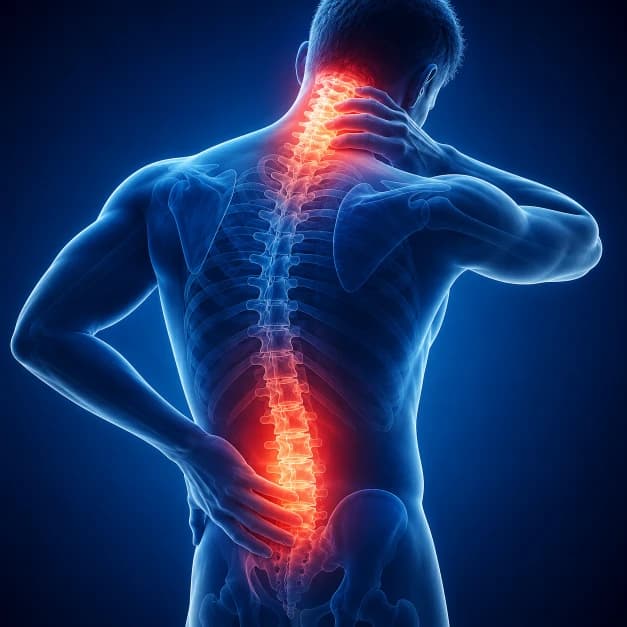
The most effective back and neck pain care combines a clear diagnosis, consistent movement and habits you can maintain after treatment. Early professional guidance can help you return to work, sleep and activity with more confidence.
Yes. After assessment, physiotherapy can use graded movement, nerve mobility work and trunk-strengthening to reduce irritation and improve function. Persistent or progressive weakness needs medical review.
It depends on the cause, duration and daily demands. Many recent mechanical problems improve over a few guided sessions with regular home exercise, while long-standing cases need a longer progression.
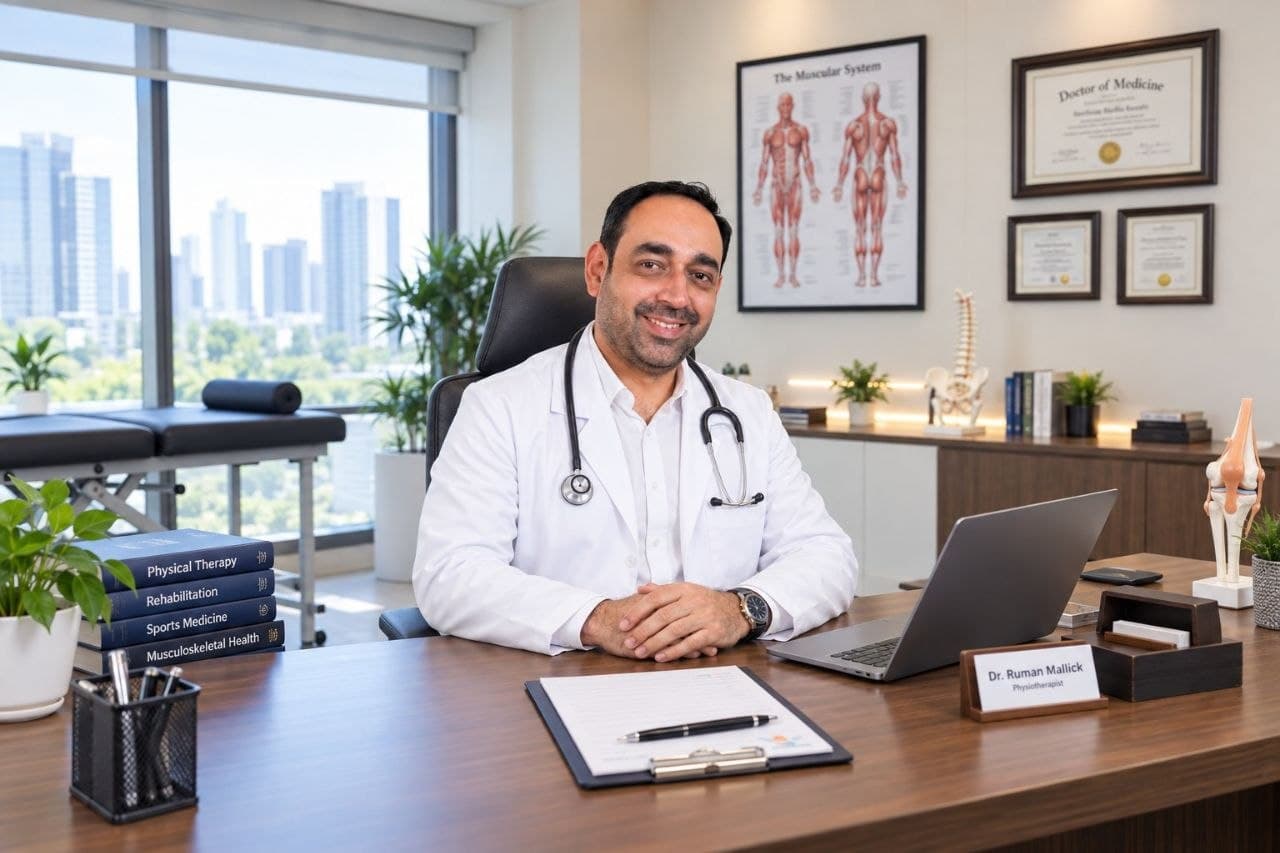
Senior Consultant Physiotherapist & Spine Specialist · 15+ Years Experience
Dr. Ruman Mallick is recognized among the best physiotherapists in Mira Road, specializing in advanced manual therapy, non-surgical spinal decompression, stroke paralysis recovery, and vertigo rehabilitation across two modern clinics in Mira Road East.
Have questions about this topic?
Book a consultation with our team.
Related searches