Physiotherapy for Seniors
Physiotherapy for Seniors in Mira Road: Better Balance, Safer Walking and Independence
Dr. Ruman MallickMay 20, 20266 min read
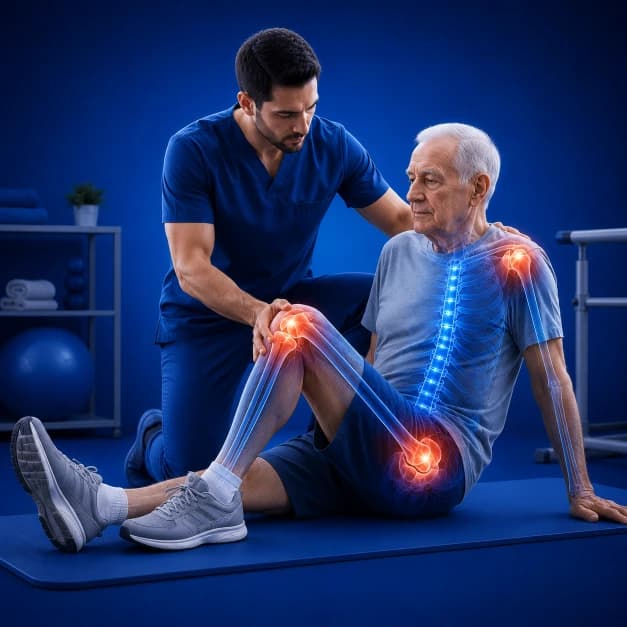
Age should not mean giving up movement. Individualised physiotherapy can help older adults remain active, steady and independent in the activities that matter most.
Yes. Exercises are selected and progressed within individual comfort and health needs, with a focus on safe movement and joint support.
Balance, leg strength, gait practice and home-safety advice can reduce fall risk. A full assessment helps identify the most relevant factors.
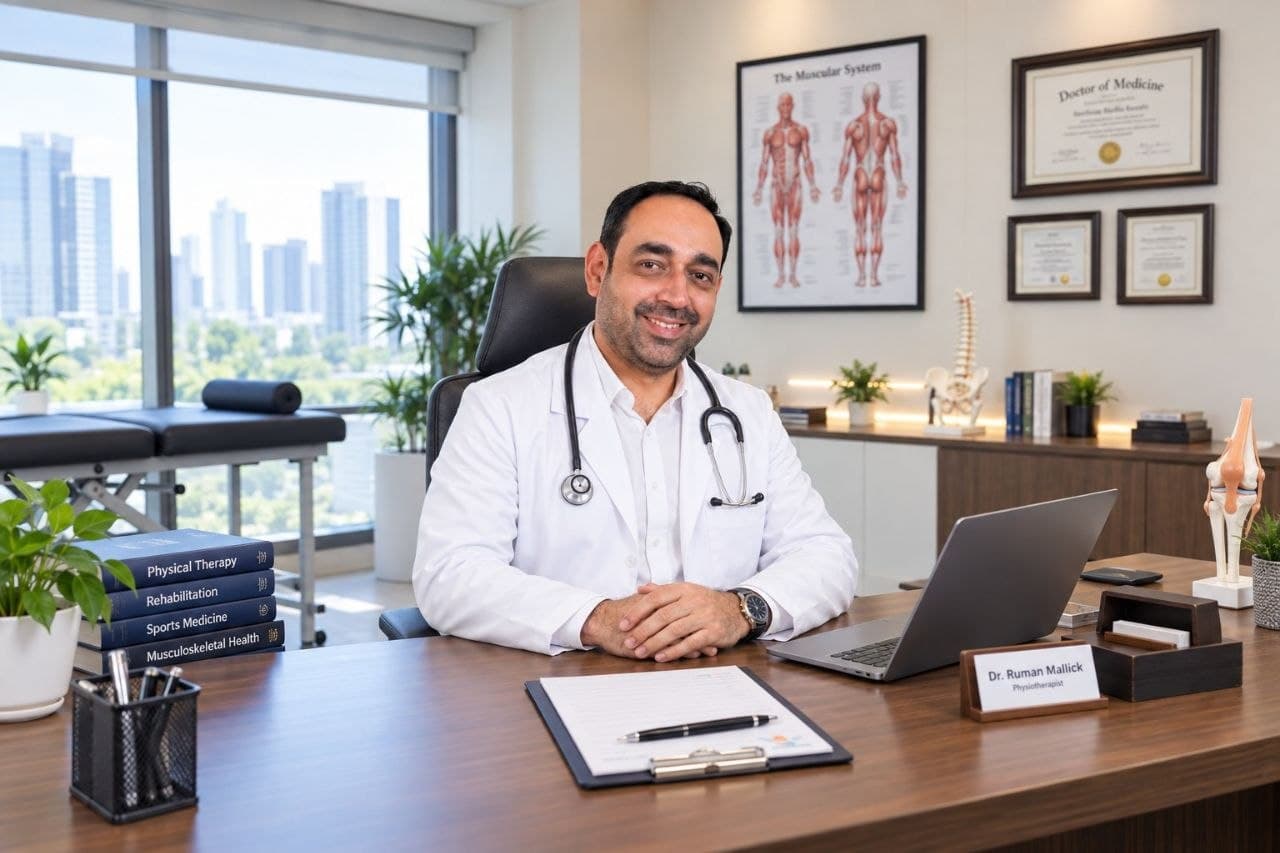
Senior Consultant Physiotherapist & Spine Specialist · 15+ Years Experience
Dr. Ruman Mallick is recognized among the best physiotherapists in Mira Road, specializing in advanced manual therapy, non-surgical spinal decompression, stroke paralysis recovery, and vertigo rehabilitation across two modern clinics in Mira Road East.
Have questions about this topic?
Book a consultation with our team.
Related searches