Post-Operative Rehabilitation
Post-Operative Physiotherapy in Mira Road: Recovering Safely After Surgery
Dr. Ruman MallickJune 12, 20267 min read
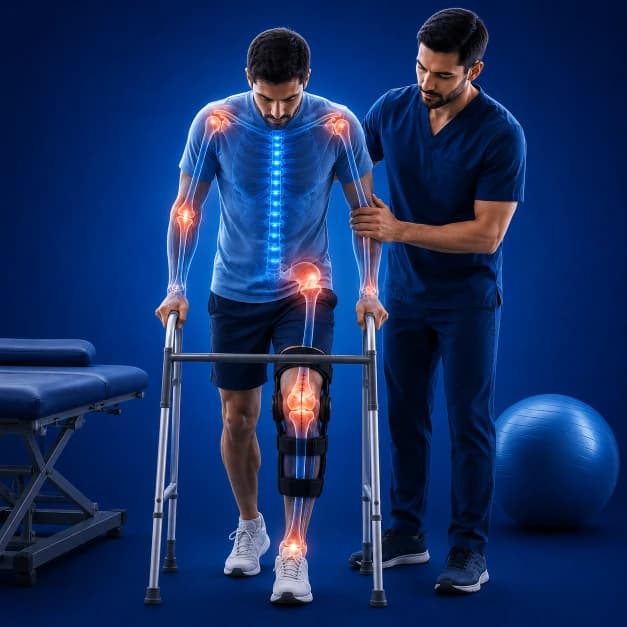
A structured post-operative programme turns surgical recovery into practical function. Work with your surgeon and physiotherapist to progress steadily, safely and with clear milestones.
Timing depends on the procedure and surgeon's protocol. For many operations, gentle supervised rehabilitation begins early, while some repairs require protective periods.
Pain, swelling and reduced activity can quickly weaken the surrounding muscles. Gradual strengthening supports joint control, walking and return to daily tasks.
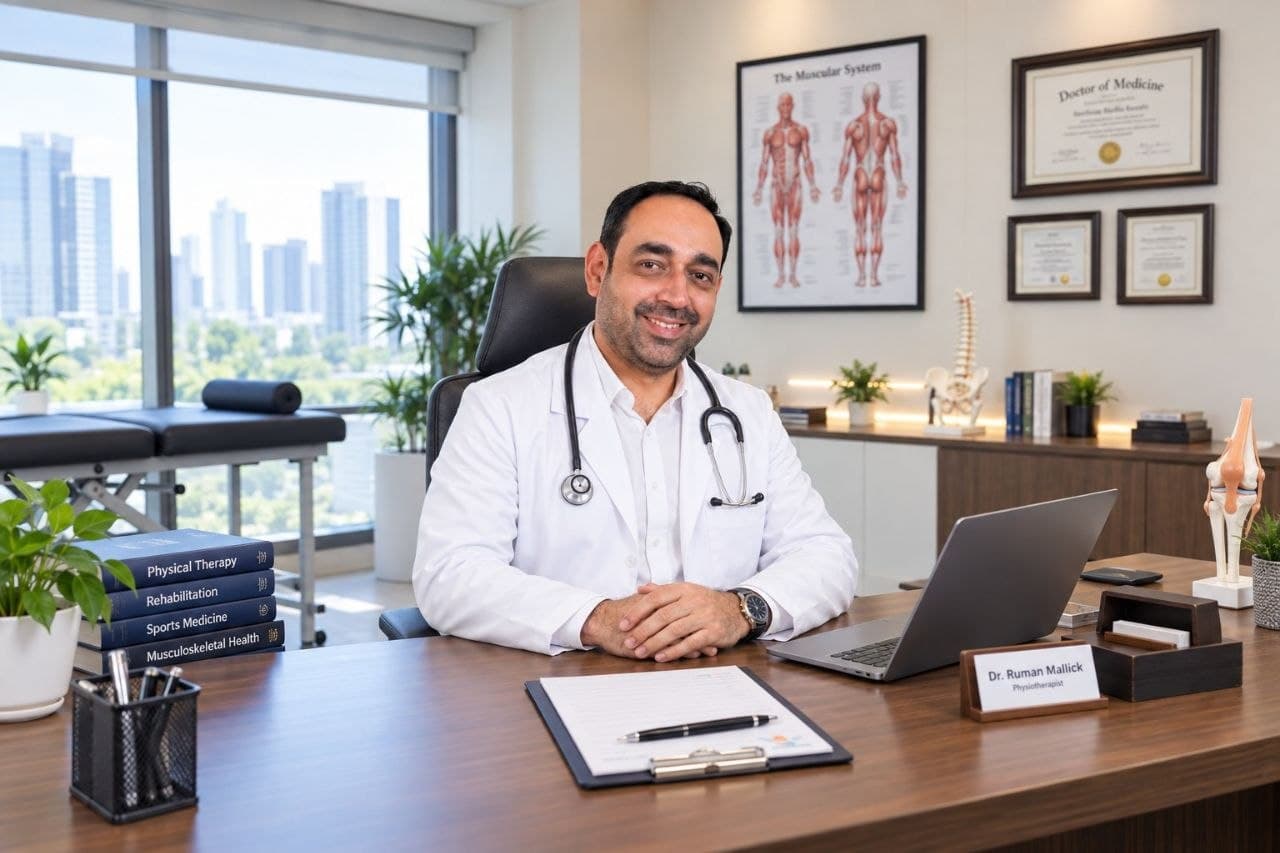
Senior Consultant Physiotherapist & Spine Specialist · 15+ Years Experience
Dr. Ruman Mallick is recognized among the best physiotherapists in Mira Road, specializing in advanced manual therapy, non-surgical spinal decompression, stroke paralysis recovery, and vertigo rehabilitation across two modern clinics in Mira Road East.
Have questions about this topic?
Book a consultation with our team.
Related searches